Do neurodivergent people want to make friends?
There’s a common misunderstanding that people who are neurodivergent (ND) don’t want to form friendships with other people. That’s often not the case. While some neurodivergent folks may not wish to have many close relationships with others, for the majority of neurodivergent people, friendship is an important part of life.
The reason this misconception about neurodivergent people not wanting friends is so popular is because it often is more difficult for them to form and maintain friendships, than it is for neurotypical (NT) people.
Why do neurodivergent people struggle with forming and keeping friendships?
As human beings, we are wired to form connections with others. Even though we’re not all wired exactly the same way, building relationships with other people is a fundamental part of being alive. It’s a very human urge to want to make and keep friends, but for ND people, doing so can just be a little harder than it is for neurotypical people.
This struggle, among other difficulties, can contribute to feeling “othered” and even like there’s something wrong with them, when the truth is that their brain simply works differently than the way our society and social norms are set up.
Some of the reasons neurodivergent people have a harder time making and maintaining friendships include:
Executive functioning differences that accompany neurodivergence
Executive functioning is a major area where neurodivergent folks differ from neurotypical folks. Things like task initiation, time management, motivation, planning, organization, follow through, attention, working memory, impulse control, prioritizing, foresight, problem solving - all of these are related to executive function. And, you may be able to see how all of these could play a role in forming and maintaining a friendship.
Building a friendship with someone new often requires a person to:
Have the foresight to plan ahead and reach out to this new person
Have the organization to keep their calendar under control so their plans don’t slip through the cracks and keep their newly made plans prioritized so they’re not forgotten
Remember the things they’ve discussed or heard this other person talk about to keep the conversation going or to find things to do when making plans, and show this other person they’re paying attention to them when they do hang out, so that they’ll want to hang out again
Manage their time effectively so that they don’t accidentally miss their plans on the scheduled day
Problem-solve if a conflict comes up at the last minute for either person, to shift plans to accommodate the conflict
Established friendships often require a similar amount of work - the effort doesn’t all go away when you’ve been friends for a long time. Even long term friendships where you can unmask (or stop hiding trying to fit in with neurotypical norms) require effort and planning to some degree.
This can be overwhelming for people who have a hard time with these skills. When someone has a difficult time managing these skills, it makes sense that areas in life that rely on executive functioning skills, like relationships with others, may suffer as well.
Other neurodivergent folks or closer friends may be more understanding of where ND folks are coming from when they struggle with these parts of relationships. Neurotypical people or people who don’t know them as well might make assumptions or judgments, which can be painful or trigger rejection sensitivity, and makes it harder to build new friendships.
Sensory differences that accompany neurodivergence
Many neurodivergent people also experience sensory differences that can make friendship more complicated. Neurotypical people can simply choose to meet up almost anywhere, but for neurodivergent folks, it often takes more planning to find a setting that works for everyone.
Some ND folks have a hard time with loud or busy places. Others don’t do well in places with strong scents or with bright lights. Sometimes it’s a combination of more than one of these things. Sometimes a person has a threshold that they reach where they have to end the activity because they’ve reached their sensory limit.
It can be vulnerable to talk about all of this with new friends, especially if those friends are neurotypical and don’t often have to consider these types of things. Some ND people want to spend time together but have conflicting sensory needs, which makes it difficult to spend time together in person. For example, if one person needs quiet, and the other needs to stim (self-soothe with repetitive behaviors, sounds, or movements) by making loud noises, that’s hard to make work.
Social differences that accompany neurodivergence
In neurotypical society, we have certain social norms that are expected to be followed that are often unspoken.
Some of the social norms that neurotypical folks take for granted include:
Eye contact while speaking
Interpreting body language
Prioritizing verbal communication over written communication
Engaging in small talk at social events
Saying what is polite or “appropriate” rather than what you actually mean or think
Understanding metaphors and sarcasm
All of these can be things that neurodivergent people struggle with because their brains work differently.
This doesn’t mean that the way they communicate isn’t as good as neurotypical communication. It just means that our societal expectations don’t tend to hold space for neurodivergent communication styles, so ND people are often forced to learn to communicate in ways that are unnatural and mentally exhausting for them.
In addition, social interactions can be tiring for neurodivergent people in a way they’re not for neurotypical people. ND folks often need more recovery time after social events, so that has to be factored in when making plans as well.
Rejection sensitivity and rejection sensitive dysphoria
Another reason friendships can be difficult for ND people is that they tend to experience what’s known as rejection sensitivity and even rejection sensitive dysphoria (RSD).
Rejection sensitivity and RSD are similar. When a person experiences rejection sensitivity, they feel anxiety and other negative emotions around rejection, criticism, or even perceived rejection or criticism. They may interpret any social interaction or evaluation that isn’t overwhelmingly positive as negative or critical, even if it’s neutral. People who experience rejection sensitivity often feel anxious or extremely self-conscious before any situation where they may be evaluated or rejected, including social interactions with other people.
Rejection sensitive dysphoria is a more severe form of rejection sensitivity. With RSD, a person experiences all of the above symptoms, but also experiences intense or overwhelming emotional pain in response to actual or perceived rejection.
If a person goes into every social situation expecting to be hurt and rejected, and feeling intense emotional distress at any real or perceived rejection, it’s hard to build relationships, even when they want to.
Neurodivergent burnout
The world is set up to accommodate neurotypical people, and the mental and physical energy it takes to fit into a neurotypical world as a neurodivergent person is exhausting.
Some of the ways it’s draining for ND people include:
Trying to keep up with social norms
Masking symptoms and behaviors
Coping with sensory overwhelm
Trying to understand things that everyone else just seems to “get”
Regulating emotions
Dealing with stigma around neurodivergence
Lack of support socially and institutionally
Neurodivergent burnout can look similar to burnout in neurotypical people, where a person experiences exhaustion, chronic illness, numbness, emotional volatility, social withdrawal, and concentration problems.
For ND folks, additional symptoms include: increased meltdowns or shutting down, loss of skills, inability to care for yourself or live independently, and increased sensory sensitivities.
In general, the earlier neurodivergent burnout is treated, the easier it is to recover. Recovery can vary in how long it takes, from weeks to sometimes years, depending on the type of support a person is able to receive.
When a person is in a state of neurodivergent burnout, they’re in survival mode, and it’s hard to focus on anything else but recovery. That means building new relationships like friendships takes a backseat.
What are some reasons neurodivergent people make great friends?
This isn’t to say that ND people don’t make good friends. In fact, neurodivergent people often make fantastic friends!
Some of the reasons neurodivergent people make great friends include:
Special interests and sharing interests: ND people often have special interests that they can talk about and love to share with others. You can learn a lot from each other!
Great at building deeper connections: Even if small talk is hard, getting to the deeper, more intimate stuff that makes up friendships tends to be easier for ND folks.
Direct communicators: While some people may need to adjust to this, it’s nice to know you’re not going to have to question any subtext or passive aggression
Authenticity: With ND friends, you know that it’s okay to be yourself and unmask when you need to.
Empathy + loyalty: ND people are often incredibly empathetic, deeply loyal friends.
How can neurodivergent people make friends more easily?
Use tools and technology to help with executive functions
We live in a time where there are apps and tools for so many things, and it can be almost overwhelming to figure out which ones can be helpful. Try to keep it simple and focus on which areas of executive functioning you struggle with the most, and find a simple solution there.
If you struggle with remembering plans, try putting them immediately into your calendar app when you make them instead of relying on remembering them.
If you want to remember important dates like birthdays and milestones, take an hour and plug them into your calendar and have them recur annually so they’ll pop up every year. You can even have your calendar notify you a few weeks in advance so you can buy presents or get a card in the mail.
If you struggle with managing your time, try using visual timers so it’s easy to see how much time has passed since you started a task. Or set timers to go off before you need to leave so that you don’t look up and realize you’re already late. It’s okay to outsource this stuff to technology where you can, to free up your brain to do other things!
Communicate your boundaries and needs
It’s vulnerable to talk about your boundaries and needs, especially with new friends. However, being honest and up front with what you need in a relationship makes it easier to set expectations.
If you’re a direct communicator, let your friends know. If you prefer written communication, it’s okay to say that. If you need lots of recharging time between hangouts, that’s okay! It’s also okay to let people know your sensory or support needs.
Focus on your strengths
Neurodivergent people make great friends, and have many strengths that they bring to relationships, you included!
If you have a special interest, look for shared interest groups or spaces that focus on that interest. If you’re good at thinking outside of the box, helping friends solve problems or giving advice can be a great way to bond. Another great way to bond is to have deep conversations, which ND people often excel at.
It may also be helpful to seek out neurodivergent specific spaces, as it can be validating to be in community with other neurodivergent people. Building friendships with other ND folks can help you feel seen in ways that NT people sometimes can’t. It may be easier to unmask and be yourself in a group with other neurodivergent people who understand exactly what your lived experience is.
Are you looking for support in making friends as a neurodivergent person? Our neurodiversity-affirming therapists in Virginia, Maryland, and Washington DC can help you embrace your neurodivergence as part of who you are. We also offer neuropsychological evaluations if you’re looking to find answers. Contact us to find the option that’s right for you.

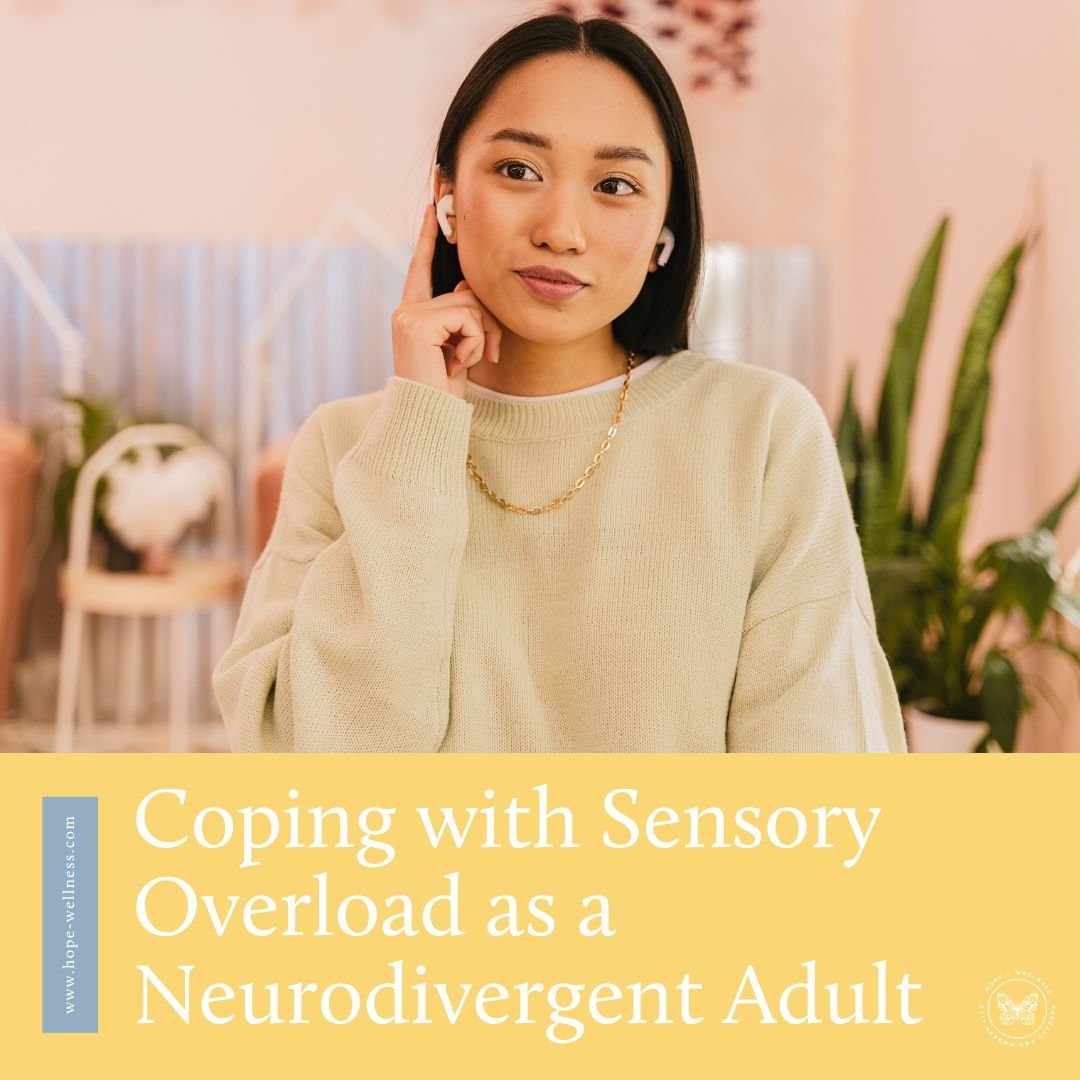

The misconception that neurodivergent people don’t want friendships exists because it’s often difficult for them to form and maintain friendships. This is why - and how to make it easier.