
Hope +Wellness Blog
little snippets of advice for everyday challenges many people share

Q&A with Dr. Hunter Leckonby: Why Neuropsychological Testing Is Important
1. What drew you to the field of psychological and neuropsychological assessment?
"I was diagnosed with ADHD later in life, while I was in graduate school, and that experience really shaped my passion for assessment. After my diagnosis, I was able to look back at pieces of my childhood that I had previously viewed through the lens of anxiety or “I just didn't try hard enough” and recognize that, in reality, my brain just worked differently.
That's one of the things I love most about testing. So often, people know that something feels different or that they're struggling, but they don't necessarily have the words to explain why. This can be especially true for high-achieving individuals. They may be doing well academically or professionally, while the difficulties show up elsewhere (relationships, work performance, anxiety, self-esteem, effort to mask, etc).
Receiving a diagnosis can be incredibly validating because it gives someone a framework for understanding their experiences. Instead of wondering, “Am I just not trying hard enough?” or “Is everyone else struggling this much too?”, they can recognize that their brain genuinely processes certain things differently. For many of my adult clients, an evaluation is the first time they feel truly understood.
That's also why I tell people that it's never too late to pursue testing. That feeling of validation and being understood is powerful and invaluable, no matter what age. And for providers, if you suspect that there may be something more going on for a client, referring them for an evaluation can be an incredibly helpful next step in their journey."

Authenticity and Well-Being: Why Being Yourself Matters
One question that comes up often in therapy is, 'What does it mean to live authentically?' For many people, especially those in the LGBTQ+ community, that question isn't always simple to answer. Living authentically can feel deeply rewarding, but it can also involve complicated and difficult emotions. Authenticity can often mean allowing our outward life to fully reflect our values, beliefs, identity, relationships, and life goals. It can involve being honest with yourself about who you are and making choices that align with your true self rather than trying to meet the expectations of others. My clinical experience has taught me that living in alignment with one's authentic self can often have positive effects on mental health and overall well-being. People who feel free to express themselves can experience greater self-confidence, stronger relationships, and a deeper sense of purpose and fulfillment.
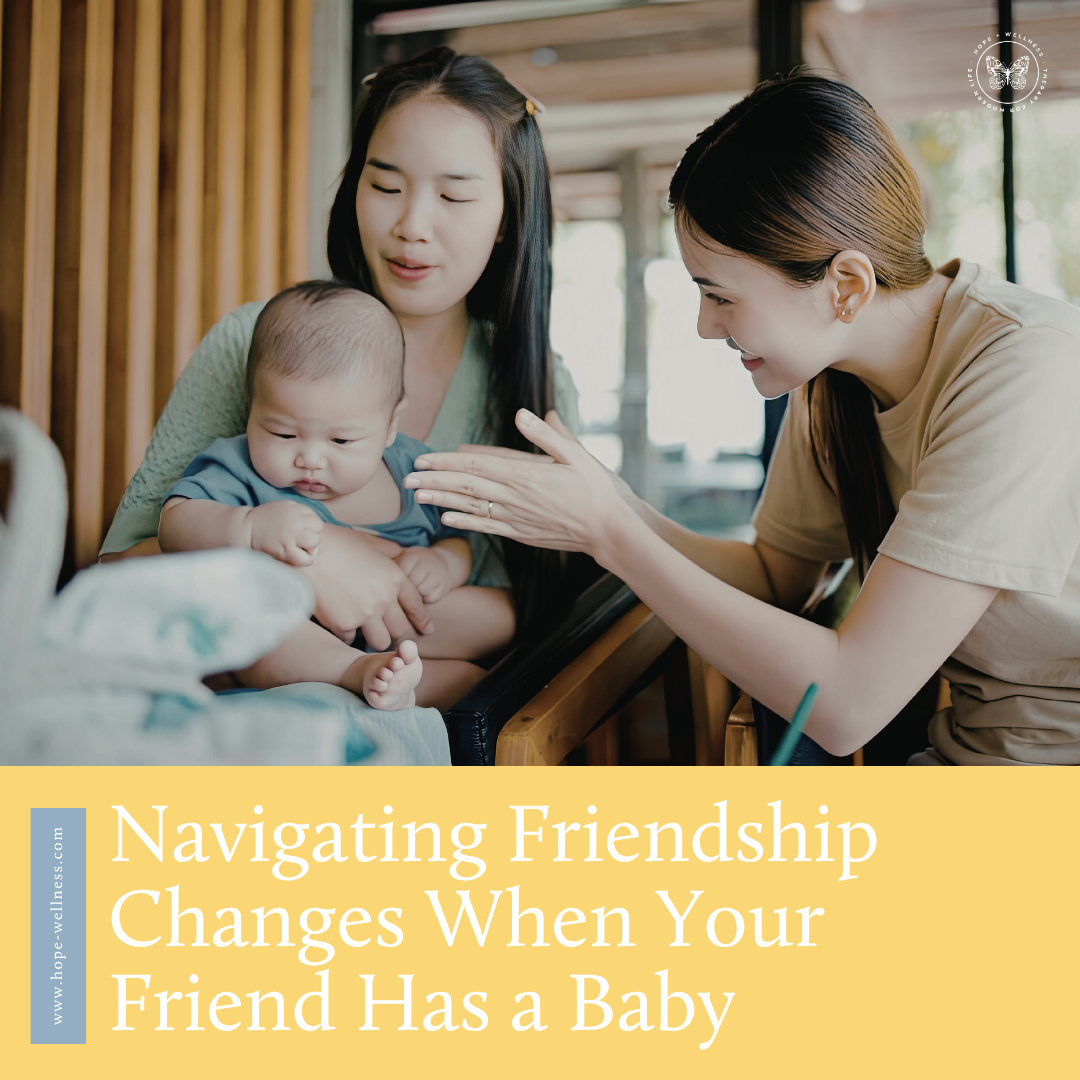
Navigating Friendship Changes When Your Friend Has a Baby
There is no relationship that comes without change and friendships are no exception, but navigating the changes that come when a friend has a baby can be one of the biggest challenges to a long standing friendship that the relationship has to learn to manage. Where there once was security in spontaneous plans, last minute drinks or late night phone calls, now there is split focus, heavy scheduling and a lot less in the way of shared experiences.

Great Expectations: Mental Health during Pregnancy and Postpartum
"You must be so excited!" Feels like the only thing you're allowed to feel when you're pregnant or just had a baby.
And scared, overwhelmed, sad. And don't forget feeling guilty that you're not feeling pure excitement and awe. If this is you, please know you're not alone or broken.
These complex emotions are especially difficult for people who have: experienced pregnancy loss, had difficulty conceiving, have learned difficult news about their pregnancy, had always envisioned themselves as mothers, have been very sick, have a strained relationship with or lost a parent or loved one, hadn't planned on this pregnancy, were hoping to make partner or get a promotion soon, whose relationship is not the most stable or healthy, have never experienced mental health concerns before, had been in remission and feeling greater stability in their mental health… and now these feelings, these unexpected and unwelcome extra emotions are here intruding on "what's supposed to be" the joyful party.
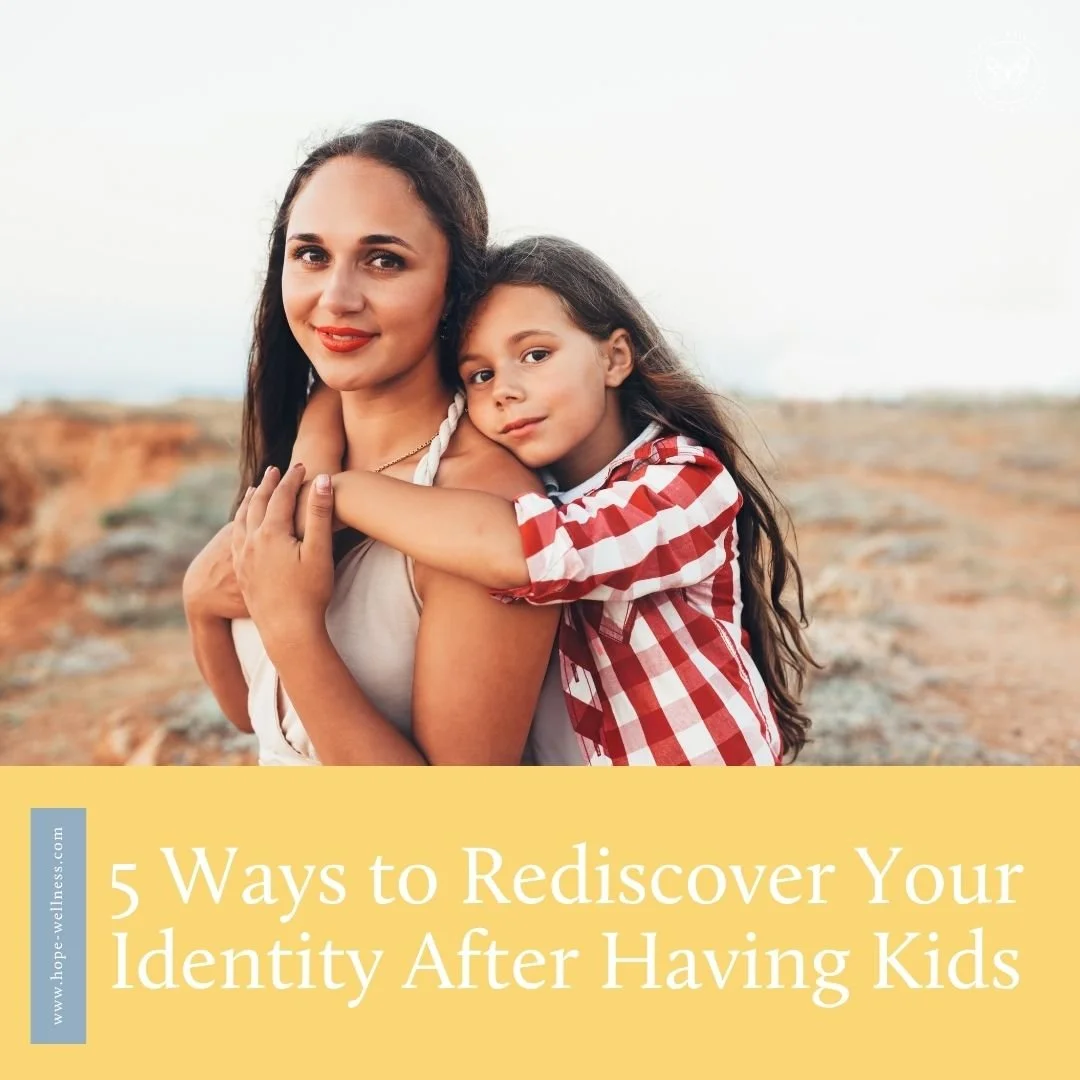
5 Ways to Rediscover Your Identity After Having Kids
If you’ve experienced a loss of identity after having kids, you’re not alone, and there are things you can do to help.

Understanding and Supporting Neurodivergent Women Through Assessment
One of the areas I am most passionate about in my work is supporting neurodivergent women across the lifespan. For many of the women and girls I see, the process of undergoing neuropsychological testing is profoundly validating. Going through the process of testing is not about labeling what is “wrong” with them—it’s about illuminating how their brains work. Their brains simply work differently, and that difference deserves to be recognized and respected.

Q & A on Young Adult Mental Health
Many students feel pressure to “have it all figured out.” How does that pressure impact mental health?
“Pressure impacts mental health significantly. While having goals can be motivating, the expectation can place a significant burden on students’ mental health. This could lead to them comparing themselves to peers who “seem” more confident about their path, causing them to question if they’re “behind”. On the flip side, others may become too fixated on making the “right” choice; they feel overwhelmed by making decisions or avoiding taking chances all together. It is important for students to know that uncertainty is normal. These are times for learning, exploration, and growth…not to have everything mapped out.”

What Masked ADHD Looked Like for Me
I am just another woman diagnosed with ADHD much later in life.
When I was younger, I blamed both the hyperactivity and the inattention on anxiety. Being unfocused was justified by an upcoming test. Racing thoughts clouded my mind, causing me to misplace just about everything. I got in trouble for tapping under my desk because… well… I’m a tap dancer. An anxious tap dancer.

Q&A on Attachment Styles and Trauma with Lauren Maxwell, LPC, NCC
What is attachment trauma, and how does it often show up in adult relationships?
“Attachment trauma occurs in early childhood when our fundamental needs are unmet or inconsistently met. It manifests in adult relationships as a fear of abandonment, rejection, or being alone, feeling overwhelmed by our partner's emotional needs, or distrusting healthy love when it is presented.”
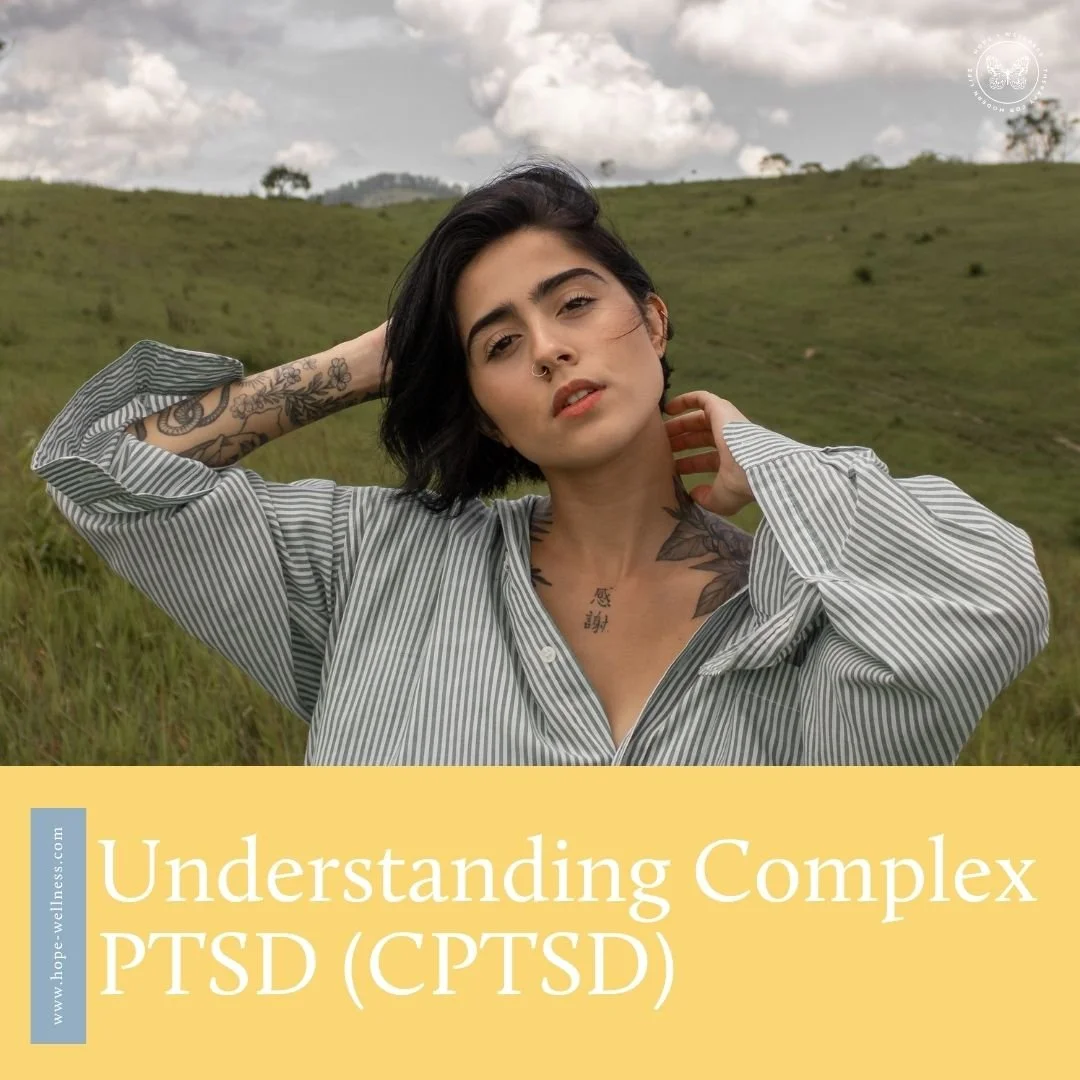
Understanding Complex PTSD (CPTSD)
Trauma comes in many forms, and one of them is called Complex Post Traumatic Stress Disorder, or Complex PTSD (CPTSD). Here’s what you should know about it.
Hope+Wellness is a mental health practice specializing in the treatment of depression, mood, stress, and anxiety in kids, teens, and adults. This is a blog about living well and finding meaning and purpose in the face of difficult challenges. This is a blog about finding hope.
Archive
- ACT
- ADHD
- Acceptance
- Anxiety
- Authenticity
- Belonging
- Bipolar
- CBT
- Calming
- Change
- Chronic Illness
- Chronic Pain
- Communication
- Community
- Coping Skills
- DBT
- Dating
- Depression
- EMDR
- Emotions
- Entrepreneurs
- Friendship
- Gratitude
- Grief
- Health Psychology
- Hope
- Inspiration
- Intimacy
- Intuition
- Joy
- Letting Go
- Love
- Manic Depression
- Mindfulness
- Miscarriage
- OCD
- Parenting
- Personal Growth
- Positive Vibes
- Quotes
- Relationships
- Resources
- Self-Compassion
- Self-Reflection
- Services
- Sleep
- Spirituality
- Stress Management
- Stress Relief
- Suffering