What Masked ADHD Looked Like for Me
by Dr. Michelle Hallahan, EdD, LPC, CCMHC, ACS, BCTP-III
I am just another woman diagnosed with ADHD much later in life.
When I was younger, I blamed both the hyperactivity and the inattention on anxiety. Being unfocused was justified by an upcoming test. Racing thoughts clouded my mind, causing me to misplace just about everything. I got in trouble for tapping under my desk because… well… I’m a tap dancer. An anxious tap dancer.
Like many of my fellow female ADHDers, I went undiagnosed because I internalized everything.
Procrastination was overridden by a debilitating fear of embarrassment and shame that came with incomplete work. Careless mistakes were masked by perfectionism and the obsessive need to check and recheck everything. I built systems to survive: there’s a “home” for all my important belongings, I write everything down so I can focus and remember, and tap dancing… well, that stayed. You can still catch me tapping in the grocery store. Some things never change.
With those coping mechanisms in place, I quietly struggled my way through school, earning grades good enough to stay under the radar. My body lived in a constant state of fight-or-flight. School was performance; home was collapse. I spent the day holding myself together so tightly that the second I got home, my nervous system gave out, purposefully away from anyone who could judge.
Fear didn’t stop me from being exposed, though.
Unfortunately, my peers had a much better detector than my teachers; they noticed my differences immediately and pounced. From middle school onward, I was told, “You think weird.” How does one mask the way one thinks? Everyone seemed to know how to do life, and I felt like I never got the memo. I felt incredibly alone.
For years, I joked that I had every symptom of ADHD except the actual ADHD parts.
“What else is there?” people would ask.
Turns out? A lot.
Highly Sensitive
During my Master’s program, professors warned me that I needed to rein in my emotions or I’d never make it as a therapist. Yet, here I stand as a therapist. And if you are my client, you know I will laugh with you, cry with you, and sometimes have to catch myself because your story is not about me. Still, I’ll take being labeled “too sensitive” any day if it means sitting with you so fully that you feel seen, heard, and understood.
RSD
I was an outgoing little kid. I sang on stage, danced in front of cameras, and loved being seen. Then middle school happened.
The more different I felt, the more different I acted. I stumbled over my words. What I thought was social anxiety was really my brain and mouth racing each other to the finish line. “Ciley Myrus” and “mawnlower” became part of my collection of Michellisms, adding to the growing pile of evidence that my peers were right: I was weird.
When “weird” becomes the word people use most often to describe you, eventually you start introducing yourself that way, too. It changes the way you move through the world.
And it turns out, I even failed at masking.
So instead, I shut down. I now know I was drowning in rejection sensitivity dysphoria long before I had language for it. At the time, I shoved it all under the umbrella of social anxiety and kept walking through the storm. Now I understand I had both.
Memory
By high school, I sounded like somebody’s grandparent: “I’d take ginkgo biloba if I could just remember to take it.” Whenever I lost my train of thought, I’d joke and simply say, “Ginkgo,” instead of, “I forgot.”
Object Permanence
No, not the developmental milestone babies reach. If we’re playing hide-and-seek, I do understand that you still exist. But when things are out of sight, they are very quickly out of mind. Honestly, I thank my lucky stars I didn’t grow up with texting.
Hyperfixation
Like this. I’m up at 6 a.m. writing because I had an idea and couldn’t get back to sleep. Thanks, ADHD.
It wasn’t until a conversation with my brother, also a therapist, that my rigid thinking was finally challenged.
“Are you sure it’s not ADHD?”
Of course it’s not. I think I’d be the first to know.
But the more I learned, the more my entire life suddenly made sense.
I hate it when he’s right.
That conversation became my turning point. For so many years, I wasted time attempting to become less of myself. Now, when I look back at that little girl — tapping under desks, losing everything, trying desperately to look “normal” — I don’t see someone broken.
I see someone adapting the best she could.
And honestly, I think she did a pretty incredible job.
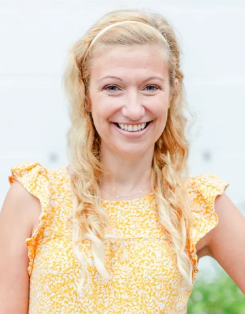
Dr. Michelle Hallahan, EdD, LPC, CCMHC, ACS, BCTP-III, is passionate about helping adolescents and adults navigate challenges such as anxiety, depression, trauma, stress, ADHD, autism spectrum concerns, and life transitions. Drawing from both professional expertise and personal understanding, Dr. Hallahan creates a compassionate, nonjudgmental space where clients can feel seen, supported, and empowered to embrace their authentic selves.
Using a person-centered and strengths-based approach, Dr. Hallahan integrates evidence-based therapies, including CBT and EMDR, to help clients build resilience, confidence, and meaningful change. She is especially passionate about supporting neurodivergent individuals in recognizing their strengths and fostering self-acceptance.
For more information about scheduling an appointment with Dr. Michelle Hallahan, please reach out to us at info@hope-wellness.com