7 Amazing Ways to Practice Gratitude

Gratitude helps us focus on our lives in a new way. It helps us to be present with our loved ones, and present in our lives. Rather than living in one’s thoughts and feeling trapped in feelings of anxiety, stress, or depression, we’re open and receptive to new ways of thinking and feeling. There’s something freeing about gratitude, and something amazing about how it can open up and expand our hearts.
The trouble is, its hard to be grateful. Trust me, as someone who has tried for years at it, it’s not easy! But the benefits of gratitude are worth it: we’re happier and lighter. We gain perspective on our life. And we’re present for it.
7 Amazing Ways to Practice Gratitude
Keep a gratitude journal. Write down 3 things you are grateful for each day.
Think of a simple thing to be grateful for. It could be something as simple as ice cream on a hot summer day. In your mind, say, ‘Thank you for..!’
Observe and be mindful as you go about your day of the small things or people in life that cheer you up, make you feel better, or your life easier.
Smile at someone and help make their day brighter
Contribute your time and efforts toward a cause you care about. Over time you’ll notice that the more you give, the more you also receive. Funny how life works sometimes..
Choose a symbol, like a bracelet, necklace or a small stone. Whenever you touch it, think of something that you are grateful for. In this way, it serves as a meditative reminder to you throughout the day — something to help ground you no matter what the day brings. '
Do something nice for someone you love. It can be big or small. Sometimes its the small things that bring great joy and happiness.
psychologist in mclean, tysons corner, merrifield, falls church, arlington and vienna
Victoria Chialy Smith, PhD is a licensed clinical psychologist providing individual therapy to children, teens, and adults with stress, anxiety, and depression. Our practice provides Cognitive Behavioral Therapy (CBT), mindfulness based therapies, and other top, premier evidence-based treatments, and serves the Falls Church, McLean, Great Falls, Vienna, Arlington, Alexandria, and the greater Washington DC region. Call, email, or schedule an appointment with us online today. We’re happy to help develop the best treatment for you!


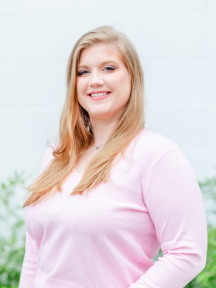
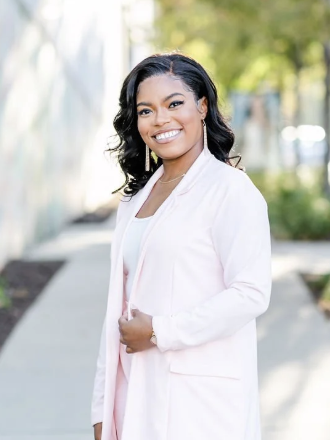
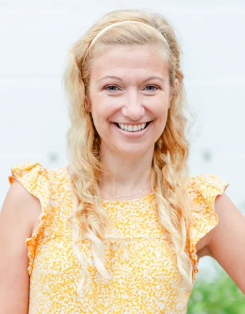


1. What drew you to the field of psychological and neuropsychological assessment?
"I was diagnosed with ADHD later in life, while I was in graduate school, and that experience really shaped my passion for assessment. After my diagnosis, I was able to look back at pieces of my childhood that I had previously viewed through the lens of anxiety or “I just didn't try hard enough” and recognize that, in reality, my brain just worked differently.
That's one of the things I love most about testing. So often, people know that something feels different or that they're struggling, but they don't necessarily have the words to explain why. This can be especially true for high-achieving individuals. They may be doing well academically or professionally, while the difficulties show up elsewhere (relationships, work performance, anxiety, self-esteem, effort to mask, etc).
Receiving a diagnosis can be incredibly validating because it gives someone a framework for understanding their experiences. Instead of wondering, “Am I just not trying hard enough?” or “Is everyone else struggling this much too?”, they can recognize that their brain genuinely processes certain things differently. For many of my adult clients, an evaluation is the first time they feel truly understood.
That's also why I tell people that it's never too late to pursue testing. That feeling of validation and being understood is powerful and invaluable, no matter what age. And for providers, if you suspect that there may be something more going on for a client, referring them for an evaluation can be an incredibly helpful next step in their journey."