19 Powerful Brene Brown Quotes on Embracing Vulnerability, Love, and Belonging

Dr. Brené Brown is a research professor whose work on vulnerability, shame, empathy has inspired millions of people to embrace imperfection, to hope and love wholeheartedly. Her words are especially powerful for those of us who never quite comfortable in our own skin, who feel as if we have to ‘hustle’ for love or worthiness. If you’ve ever felt this way — felt as if you’re never quite enough — read her words and be reminded that we’re all in this together. You’re beautiful in your vulnerability. You’re worthy. You belong.
Brene Brown Quotes on Vulnerability, Love, and Belonging
“Owning our story can be hard but not nearly as difficult as spending our lives running from it. Embracing our vulnerabilities is risky but not nearly as dangerous as giving up on love and belonging and joy—the experiences that make us the most vulnerable. Only when we are brave enough to explore the darkness will we discover the infinite power of our light.”
“We cultivate love when we allow our most vulnerable and powerful selves to be deeply seen and known, and when we honor the spiritual connection that grows from that offering with trust, respect, kindness and affection.
Love is not something we give or get; it is something that we nurture and grow, a connection that can only be cultivated between two people when it exists within each one of them – we can only love others as much as we love ourselves.
Shame, blame, disrespect, betrayal, and the withholding of affection damage the roots from which love grows. Love can only survive these injuries if they are acknowledged, healed and rare.”
“You are imperfect, you are wired for struggle, but you are worthy of love and belonging.”
“Vulnerability sounds like truth and feels like courage. Truth and courage aren’t always comfortable, but they’re never weakness.”
“Vulnerability is the birthplace of love, belonging, joy, courage, empathy, and creativity. It is the source of hope, empathy, accountability, and authenticity. If we want greater clarity in our purpose or deeper and more meaningful spiritual lives, vulnerability is the path.”
“Staying vulnerable is a risk we have to take if we want to experience connection.”
“We cannot selectively numb emotions, when we numb the painful emotions, we also numb the positive emotions.”
“The dark does not destroy the light; it defines it. It’s our fear of the dark that casts our joy into the shadows.”
“If you trade your authenticity for safety, you may experience the following: anxiety, depression, eating disorders, addiction, rage, blame, resentment, and inexplicable grief.”
“To love someone fiercely, to believe in something with your whole heart, to celebrate a fleeting moment in time, to fully engage in a life that doesn’t come with guarantees – these are risks that involve vulnerability and often pain. But, I’m learning that recognizing and leaning into the discomfort of vulnerability teaches us how to live with joy, gratitude and grace.”
“I now see how owning our story and loving ourselves through that process is the bravest thing that we will ever do.”
“Numb the dark and you numb the light.”
“Stop walking through the world looking for confirmation that you don’t belong. You will always find it because you’ve made that your mission. Stop scouring people’s faces for evidence that you’re not enough. You will always find it because you’ve made that your goal. True belonging and self-worth are not goods; we don’t negotiate their value with the world. The truth about who we are lives in our hearts. Our call to courage is to protect our wild heart against constant evaluation, especially our own. No one belongs here more than you.”
“Just because someone isn’t willing or able to love us, it doesn’t mean that we are unlovable.”
“True belonging is the spiritual practice of believing in and belonging to yourself so deeply that you can share your most authentic self with the world and find sacredness in both being a part of something and standing alone in the wilderness. True belonging doesn’t require you to change who you are; it requires you to be who you are.”
“The truth is: Belonging starts with self-acceptance. Your level of belonging, in fact, can never be greater than your level of self-acceptance, because believing that you’re enough is what gives you the courage to be authentic, vulnerable and imperfect.”
“Talk to yourself like you would to someone you love.”
“I don’t have to chase extraordinary moments to find happiness–it’s right in front of me if I’m paying attention and practicing gratitude.”
“Imperfections are not inadequacies; they are reminders that we’re all in this together.”
Therapist in mclean, tysons corner, merrifield, falls church, arlington and vienna
Victoria Chialy Smith, PhD is a licensed clinical psychologist serving the Falls Church, McLean, Great Falls, Vienna, Arlington, Alexandria, and the greater Washington DC region. She provides individual therapy to children, teens, and adults with stress, anxiety, and depression. Our practice provides Cognitive Behavioral Therapy (CBT), mindfulness and acceptance based therapies, and other top, premier evidence-based treatments. Call, email, or schedule an appointment with us online today. We’re happy to help!



1. What drew you to the field of psychological and neuropsychological assessment?
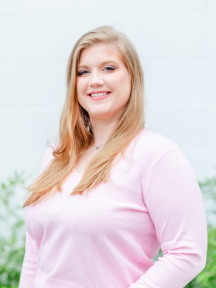
"I was diagnosed with ADHD later in life, while I was in graduate school, and that experience really shaped my passion for assessment. After my diagnosis, I was able to look back at pieces of my childhood that I had previously viewed through the lens of anxiety or “I just didn't try hard enough” and recognize that, in reality, my brain just worked differently.
That's one of the things I love most about testing. So often, people know that something feels different or that they're struggling, but they don't necessarily have the words to explain why. This can be especially true for high-achieving individuals. They may be doing well academically or professionally, while the difficulties show up elsewhere (relationships, work performance, anxiety, self-esteem, effort to mask, etc).
Receiving a diagnosis can be incredibly validating because it gives someone a framework for understanding their experiences. Instead of wondering, “Am I just not trying hard enough?” or “Is everyone else struggling this much too?”, they can recognize that their brain genuinely processes certain things differently. For many of my adult clients, an evaluation is the first time they feel truly understood.
That's also why I tell people that it's never too late to pursue testing. That feeling of validation and being understood is powerful and invaluable, no matter what age. And for providers, if you suspect that there may be something more going on for a client, referring them for an evaluation can be an incredibly helpful next step in their journey."